trips tips travel iceland cyprus turkey vantourism vanlife latvia Vantourism in Latvia
html templates

Vantourism in Latvia


When the first grass and flowers start sprouting from the ground many people in Northern Europe rush to start up the engines of their beloved camper vans. Being based in Riga, Latvia, we have so far made a few trips around the country. In this article we will try to sum up the top nature and city highlights.

Nature

Having the second largest forest percentage in Europe and inhabited by less than 2 million people, Latvia is far from being overcrowded by tourists. This means also – fresh air and lots to explore.  

Mobirise

Sigulda

The city of Sigulda hosts likely the most famous nature trail in Latvia, connecting three castles Sigulda-Krimulda-Turaida. It should take somewhere between 2 and 4 hours depending on your pace. Do not miss Gutman’s cave, considered to be the oldest tourist attraction in Latvia. Finish up the walk on the top of Turaida castle tower (high season price is 6 EUR per person), with an amazing view over the Gauja river valley.

Mobirise

Līgatne

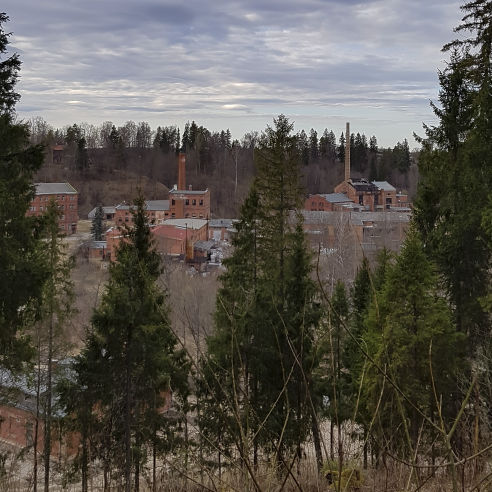
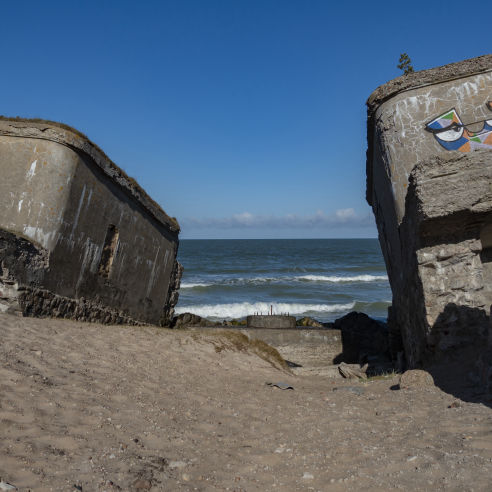
Located in the Gauja national park, Līgatne offers a mix of activities. Walk around the village of the former paper mill with buildings dating back to 19th century for picturesque sceneries. Explore rocky river shores and caves with different hiking trails and make sure not to miss the wildlife park “Līgatnes dabas takas”. For a different kind of experience, apply for a visit to an old Soviet bunker: www.bunkurs.lv

Mobirise

Ķemeri

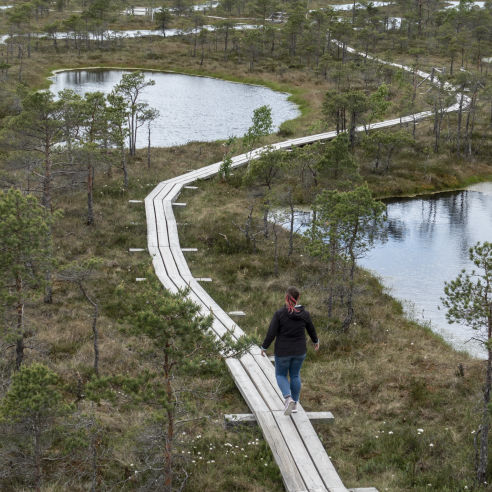
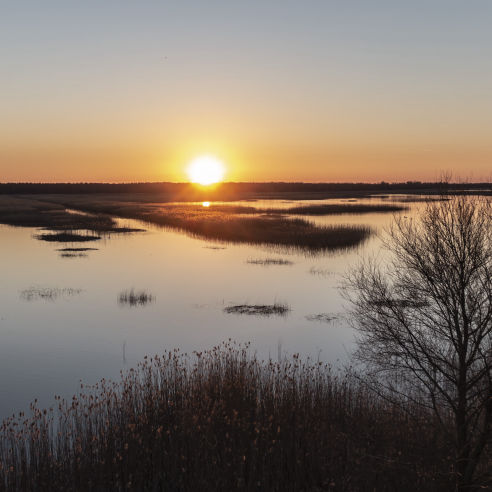
Ķemeri is a swampy area just outside the capital Riga. It used to be a famous health resort known for mud procedures. Nowadays it offers beautiful nature trails through forest, along lakes and through the swamp. A unique 90 minute walk on Lielā Ķemeru tīreļa taka will give you primal nature feelings and some stunning pictures.

Mobirise

Daugavas loki

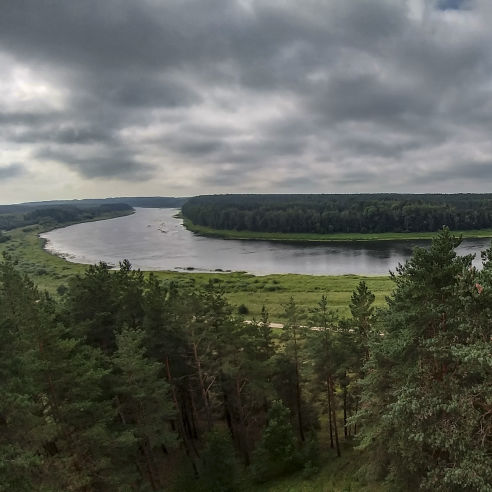
Daugavas loki (curves of Daugava) is a nature park between Daugavpils and Krāslava, which is best known for beautiful views of the river Daugava. We recommend spending a night at the free parking next to “Dinaburgas pils” with basic WC, picnic table and possibility to swim in the river. Other objects of interest include Stalkers, Slutišķi old believers village, and Vasargelišķi observation platform.

Mobirise

Kolka

Kolka is a village situated on a cape where Baltic sea meets the Gulf of Riga and the waves flow in two different directions. The area is ideal for off-grid camping in the nature. When going to Kolka we also recommend making a stop at Irbene, an abandoned but freely accessible Soviet military village, with one of Europe’s largest radio telescopic antennas (32 m diameter).

Mobirise

Tūja

Tūja beach, a view on Veczemju cliff in particular, is a popular sight on postcards of Latvia. The beach is covered with round rocks of different sizes, which makes this picturesque place very special. While the parking is paid (on the territory of a camping), it offers some picnic tables with a nice view and options for overnight stay.

Mobirise

Jūrkalne

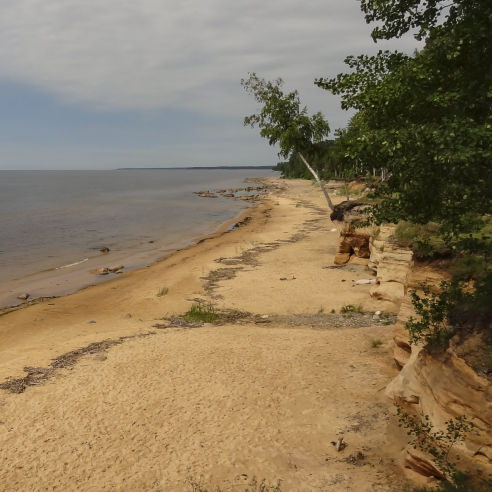
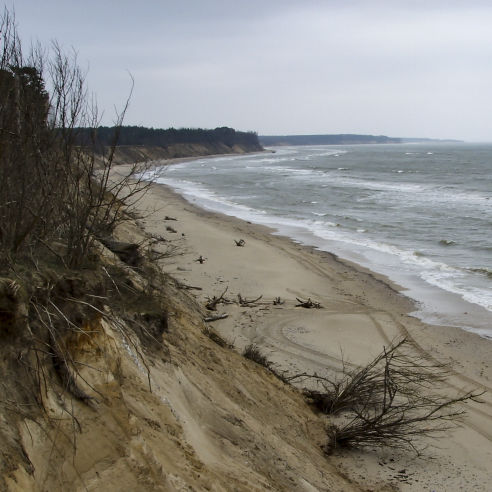
Jūrkalne is known for its steep coastline and virtually empty beaches. Latvians are often considered to be reserved and Jūrkalne is a place where people head to seek their dose of loneliness and get away from the busy capital.

Mobirise

The land of blue lakes

Zilo ezeru zeme “The land of blue lakes” is a widespread denomination of Latgale region, which has more than 2000 lakes. Largely ignored by foreign tourists, you can easily find a cabin or camping place by the lake where you can swim, fish, or simply enjoy the nature. Recommendations: Aglona Catholic church and bird watching by the lake Lubāns (Ūdens tūrisma attīstības centrs „BĀKA”). 

Cities

In contrast to many European countries, vantourism in Latvia does not mean avoiding urban areas. You can easily find parking spots and even stay overnight in the capital and sleeping in the car is generally accepted by the public and police. 

Mobirise

Rīga

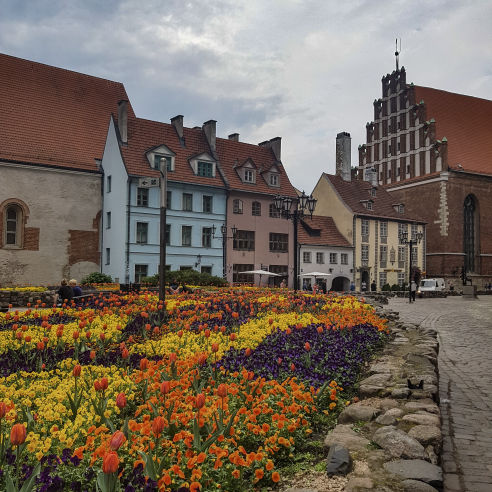
Riga is the capital and offers plenty of activities. Admire beautiful Art nouveau buildings on Alberta street and contrasting wooden architecture of Koka Rīga. Visit the spacious Riga central market, Spīķeri area, before enjoying a sunset on the river promenade or Lucavsala park.

Mobirise

Daugavpils

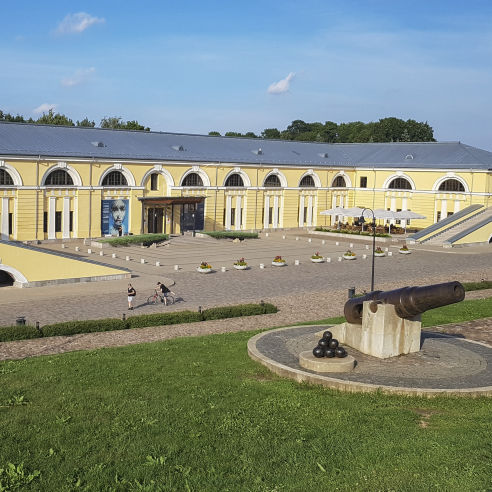
Daugavpils is the second largest city with just 95 000 inhabitants. A must see is the city fortress, which hosts Mark Rothko museum. Other points of interest include Šmakovka (moonshine) museum right in the pedestrian area and we recommend also the nearby Svente manor.

Mobirise

Liepāja

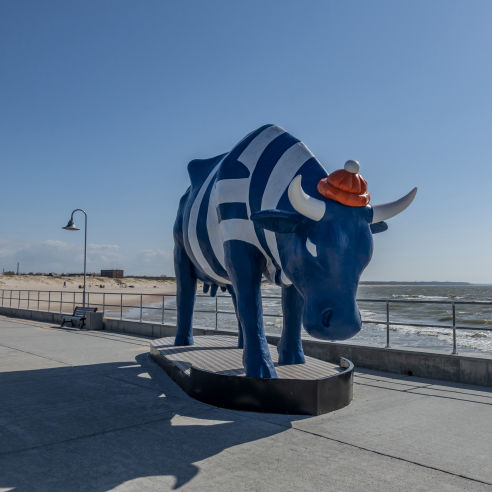
Know as the "city where the wind is born" Liepāja is more than just a beach resort. It is Latvia's city of music, which you see on every corner and hosts important musical events such as "Summer sound" in July. A must is the area Karosta and Ziemeļu forti, huge former military complex. 

Mobirise

Jūrmala

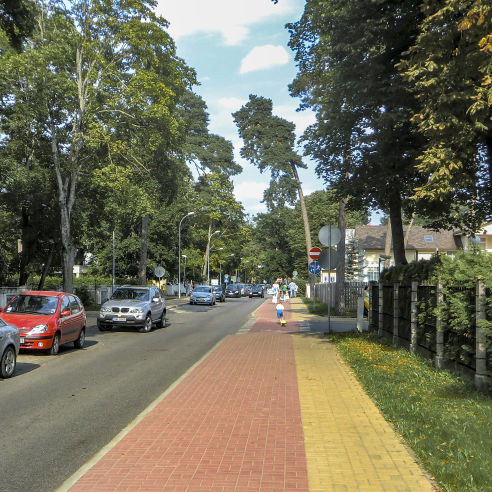
Jūrmala is a holiday destination with blue flag beaches. Get out the touristic Jomas street and walk in Dzintaru park to admire a view on Riga from a watch tower. Our recommendation for overnight is a small parking lot at the end of Rožu iela, which is right next to the beach.

Mobirise

Ventspils

Paved streets, busy harbour, and nice parks. It's a city for family fun and there's a lot to choose from - Piejūras brīvdabas muzejs, Piedzīvojumu parks, or fountain Fregate Valzirgs, boattrip on "Hercogs Jēkabs". Piejūras Kempings offers a comfortable stay near the beach.

Mobirise

Rēzekne

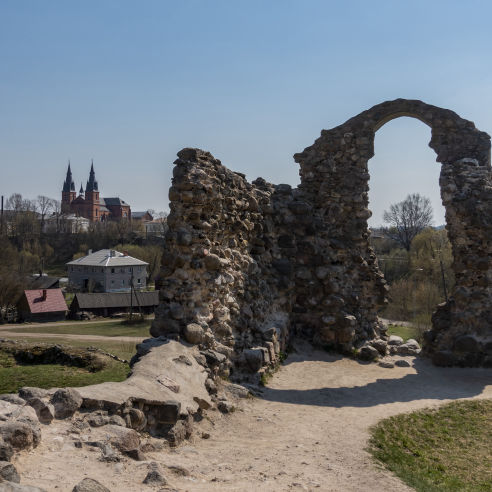
A cultural centre of the Latgale region, Rēzekne offers a lot to nature lovers and is surrounded by lakes. From places inside the city, do not miss Ančupāni watch tower and architectural house "Zeimuļs". The nearby tourism centre can help you arrange a class of local pottery.

Mobirise

Cēsis

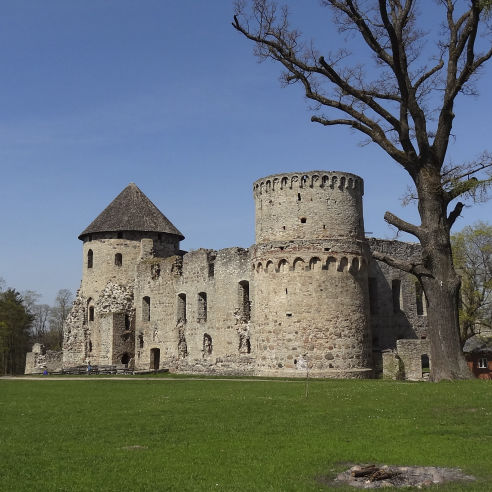
Often regarded as one of top tourism destinations around Riga. Cēsis with its medieval castle and museum is a great find for history lovers. Even more so is the Āraiši wooden settlement site in the middle of a lake, just 6 km from the centre.

Mobirise

Kuldīga

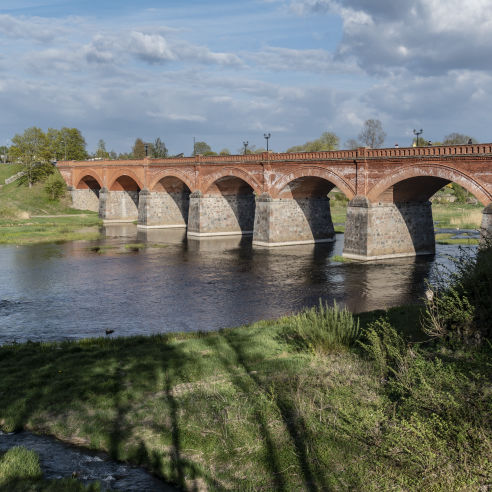
While often overshadowed by larger cities, Kuldīga is a gem worth staying for 2 days. Each house hides a little piece of history and it is easy to get swallowed by its charm. The city also has the widest waterfall in Europe and a magnificent red brick bridge.

Overnight

Depending on the type of camper, you may be looking for the best places to spend the night. Good news is that you can easily find excellent parking places all across the country. We have divided this part into organized and off-the-grid options.

Wild camping
Wild camping is generally allowed in all Baltic states, but some restrictions apply. In nature parks you should not risk making a campfire, unless there are clear dedicated places, do follow also signs and instructions on info boards. Latvia has close to 500km of sandy beaches, which look very welcoming. However, there are strict rules prohibiting entering the dunes/beach with any motorized vehicle, resulting in high fines. As to putting up a tent or making a campfire on the beach, it is officially prohibited, but many locals still do it. You are, however, allowed to camp near to the beach “where the natural vegetation of the land begins”.
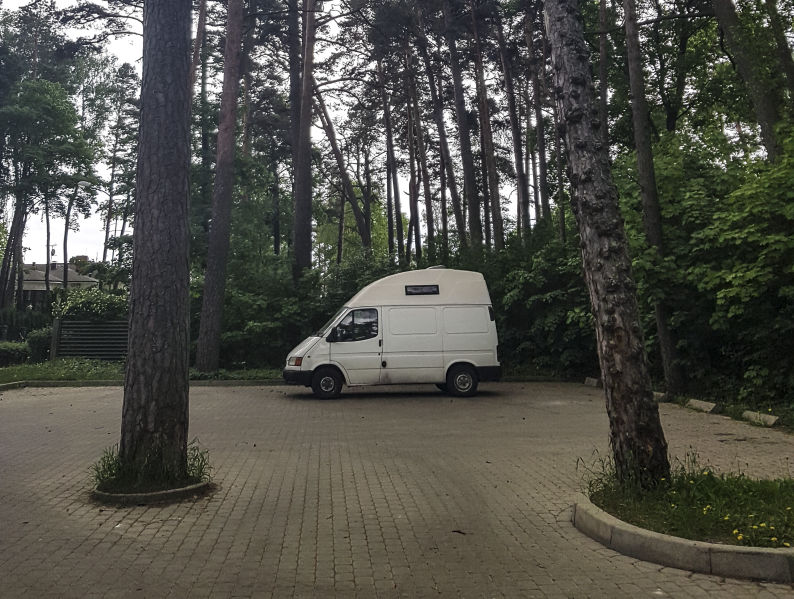
As most of the beaches are surrounded by beautiful pine tree forests, you are very likely to find the ideal place for the night.
You can also often find parking places near to tourist attractions or viewpoints, where you can sleep in your vehicle overnight. Only few places will have restrictions (paid parking places, private land etc) or any objections. Emptying your grey/black water tank may be also possible as some places have wooden dry toilets. Generally, do not expect any infrastructure for camper vans outside camping sites, but you can fairly commonly find picnic tables along the main roads and on/near hiking trails. 

Mobirise

Camping sites

Finding a dedicated and fully equipped camping site with water, electricity, showers etc. may not be easy. Latvia is still learning how to monetize the vanlife culture and what tourists on wheels really require.
There is a Camping association, which lists a number of options around the country, and also offers to download a free PDF catalogue with details on campsites across the Baltic States. 

Mobirise

Weather

Making a longer trip in a van needs certaing planning. Heading to North Europe you may ask yourself, what is the best time to visit Latvia? Here is how we see it.

1

Winter

Usually starts in November and lasts till March/April. Temperatures in this period vary from +7C down to -20C. In the last years particularly it is hard to guess if you will be singing in the rain or get to see a real winter wonderland. If you want to visit the Baltics during this period, you should rather take a plane.

2

Spring

It's not unusual to have a warm April and May, with temperatures of +20C or even more, however the weather is still unpredictable. It can happen that the temperature drops by 10 degrees during a single day and you get to see some last snowflakes, but generally it is suitable for going in the nature. Trees and fields start blossoming towards end of April, and this is when usually people start spending time outdoors. A safer bet for spring is visiting the central and eastern regions of Latvia as the seaside towns are usually 3C to 5C colder and the water temperatures are anyways too low for swimming.    

3

Summer

Some years the summer gets as hot as +30C and you can enjoy swimming in the sea, which heats up to +22C in July and August. However, there have been some summers of just a few days with more than +25C. On average July and early August is the best time for visiting Latvia. 

4

Autumn

First half of September is often a somewhat extender version of summer, but the sun shines significantly less and more often you feel the need to wear a jacket. Up to mid-October, however, Latvia is still suitable for vanlife and you can enjoy a beautiful mix of yellow, orange, and red.

© Copyright 2020  Anna and Martins